
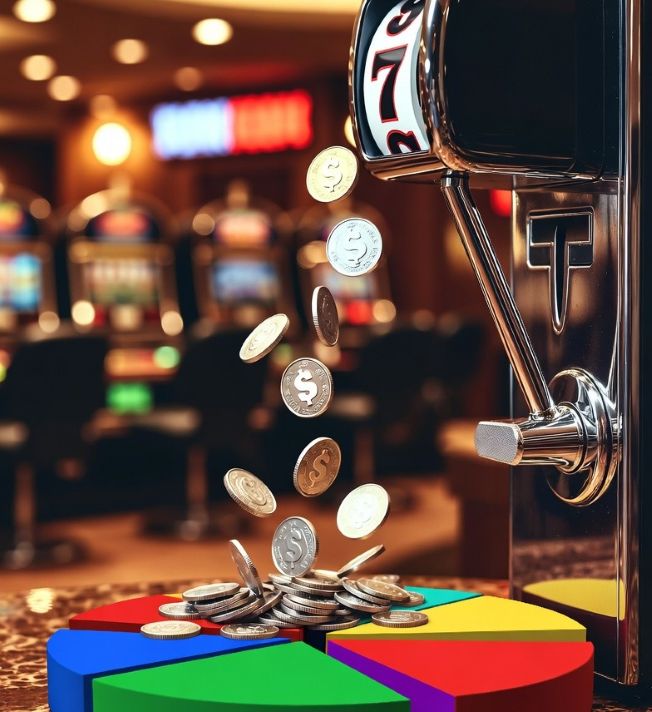
Slot machines with higher return-to-player percentages statistically pay back more money over time. The University of Nevada, Las Vegas Center for Gaming Research explains that RTP reflects the long-term payout percentage programmed into a slot game. Investors deal with a similar idea every day. They call it expected return. Different name, same basic instinct. People want better odds.
Gamblers who study odds often look for data sources before spinning. According to industry guides discussing jackpot slot games, experienced players pay attention to RTP percentages, volatility, and payout structures before choosing where to place their bets. That behavior mirrors how investors analyze stocks, bonds, and funds. Both groups are trying to answer the same question. Where do my chances improve?
RTP and ROI Speak the Same Language
Return to Player, or RTP, shows the percentage of wagered money a slot machine is designed to return over time. A slot with a 96 percent RTP theoretically returns $96 for every $100 wagered across many spins. It does not guarantee a win today, tomorrow, or even this week. It simply tells players the mathematical expectation.
Investing uses a similar metric called ROI, return on investment. Financial planners, including analysts cited by the CFA Institute, often explain ROI as the gain or loss generated relative to the amount invested. Different world, same concept. Expected value.
A casual casino visitor once told me he only played machines that “felt lucky.” That sounds fun but it ignores math. Seasoned players usually look for higher RTP games because the long-term expectation improves. Investors do the same thing when they choose assets with historically stronger returns. Numbers matter. Feelings are entertaining, but they rarely build wealth.
Diversification Lessons From the Casino Floor
Walk through a casino and watch experienced players for a while. Some hop between machines. Some stick to a handful of favorites. Either way, very few serious players put their entire bankroll into one spin. That behavior resembles diversification in finance.
Financial advisors frequently recommend spreading investments across asset classes such as equities, bonds, and commodities. The U.S. Securities and Exchange Commission regularly emphasizes diversification as a way to manage risk. A single investment can fail. A balanced portfolio reduces the damage.
The same logic appears in high RTP slot strategies. A player might rotate through several machines with favorable odds instead of betting everything on one high-volatility title. It does not eliminate risk. Gambling never does. Yet it spreads exposure.
Think of it like ordering food with friends. Nobody wants to gamble dinner on one mystery dish. Sharing plates increases the odds someone enjoys the meal. The same principle applies to bankrolls and investment accounts.
Decision Frameworks Matter More Than Luck
Good decisions rarely come from random impulses. Professional investors build frameworks before making financial moves. These frameworks include research, probability, time horizon, and risk tolerance.
The same thinking applies in digital gambling environments, where transparency plays a major role in how players judge risk. Discussions around why some gambling apps avoid transparency highlight how unclear rules, hidden ownership details, or vague payout policies can weaken user trust and make risk evaluation harder. When information is incomplete, both players and investors struggle to make smart choices.
Smart slot players quietly follow a similar playbook. Step one often involves studying payout tables and volatility ratings. Step two is bankroll planning. Step three is discipline. Walk away when limits are reached.
Investors use nearly identical steps.
- Analyze historical performance and risk
- Define how much capital to allocate
- Maintain discipline through market ups and downs
The overlap is striking. Even the emotional traps look familiar. Overconfidence causes trouble in both casinos and markets. A lucky streak on jackpot slots can convince someone they have discovered a “system.” Investors experience the same illusion during bull markets. Gains feel like skill. Sometimes they are just timing. Seasoned professionals keep their egos in check. They rely on data, not adrenaline.
Risk Awareness Is the Real Skill
Both gambling enthusiasts and investors face uncertainty. Outcomes never arrive with guarantees. The difference lies in how people manage probability. Players who understand RTP approach slot machines with realistic expectations. Investors who understand ROI approach markets with patience.
Neither group controls outcomes. They control decisions. That distinction might sound small. It is actually huge. A disciplined approach encourages careful bankroll management, rational thinking, and long-term perspective. Those habits protect players from reckless bets and investors from impulsive trades.
Even when someone occasionally explores big-jackpot slot titles for fun, the same principle applies. Entertainment is fine. Blind risk rarely is.
Conclusion
High RTP slot strategies and financial portfolio planning share a surprising amount of DNA. Both depend on understanding expected returns, managing risk, and staying disciplined when emotions start whispering bad ideas.
Slot enthusiasts searching for favorable odds often analyze payout percentages before spinning. Investors evaluate ROI before committing capital. Different environments, identical logic. The biggest lesson is simple. Probability rewards preparation.
Whether someone is studying market charts or browsing casino floors filled with bright lights and tempting jackpot slots, success tends to favor those who pause, look at the numbers, and make thoughtful decisions. Luck may start the story. Strategy usually finishes it.
