



Slot machines with higher return-to-player percentages statistically pay back more money over time. The University…
How Australian Casinos That Accept UK Players Create Strategic Value in International Markets
 Do you know that global gambling revenue topped $250 billion in recent years, and a growing slice of that comes from cross-border play? According to the Grand View Research global gambling market report, the industry was valued at over $249 billion in 2022 and continues to expand steadily, driven in part by online and international participation. For Australian casinos, opening the doors to players outside the country, like to UK players, is more than a geographic expansion. It’s a strategic decision that combines reliability, customized features, and a focus on customer needs to create strong value in global markets.
A review profile on Trustpilot indicates that Australian casinos that accept UK players is viewed as a reliable platform with customized features and responsive customer support. From a strategic analysis perspective, this kind of third-party validation strengthens brand credibility in competitive cross-border markets. Positive user feedback not only builds trust among prospective UK players but also supports long-term customer retention, repeat engagement, and sustainable international growth.
Building Reputation Through Licensing and Security
It’s like showing a badge that says, “You can trust us.”
When it comes to going global, having the right license really matters. It’s like showing a badge that says, “You can trust us.” For example, Australian casinos with well-known licenses, such as those from the Northern Territory Racing Commission, feel more reliable to players in the UK.
Strong security features, like SSL encryption and two-factor authentication, help people feel even more at ease. At the end of the day, players just want to know their money and personal details are safe. When a casino clearly shows that it follows the rules and takes security seriously, it earns trust much faster.
A casino’s reputation often spreads the old-fashioned way. One bad review about confusing withdrawal rules can quickly make its way around online forums and social media. But the opposite is true too. When players share good experiences and say the rules are clear and fair, that positive buzz keeps growing.
It’s easy to see why casinos that explain things clearly and treat players honestly tend to keep more customers, especially in other countries. When people feel informed and respected, they’re much more likely to stay.
UK-Friendly Payment and Currency Options
 How players pay and get paid can make a huge difference. In the UK, people are used to simple, familiar options like Visa, Mastercard, PayPal, and now even instant bank transfers. When Australian casinos let players deposit and withdraw in pounds, everything just feels easier. No one wants to think about exchange rates while they’re in the middle of a game. Offering payments in a currency UK players know and use every day shows that the casino cares about their comfort, and that kind of thoughtfulness builds loyalty.
When casinos don’t adjust, problems can instantly arise. Imagine winning £500, feeling excited, and then noticing extra conversion fees have taken a slice of your prize. That kind of disappointment sticks with people, and they often share it in reviews. And as we know, reviews matter. Casinos that make payments smooth and stress-free avoid this issue and naturally stand out in a crowded market.
User-Based Metrics That Indicate Market Potential
When you read through Trustpilot reviews, you start to notice a pattern. UK players really appreciate casinos that explain bonuses in a simple, step-by-step way. They want everything to be clear. The same goes for payments. When deposits and withdrawals are quick and hassle-free, players notice and talk about it. These small positive experiences may seem minor, but over time, they build a strong reputation.
Things like review scores, how often players come back, and how quickly customer support replies might sound like boring numbers. But they actually tell an important story. A casino with a 4.5-star rating, and a fast, helpful support easily gets a spot in other European markets. In the end, growing internationally isn’t just about flashy games and big promotions. It’s about the everyday details that make players feel respected and taken care of.
What Differentiates Internationally Successful Brands
UK player said the casino’s bonus guide was “clearer than my phone bill.”
Casinos that do well in other countries usually get a few simple things right. They adjust to local players by offering the right currency and promotions that actually make sense for them. They explain bonuses in plain language, so no one feels confused or tricked. Most of all, they focus on giving steady, reliable service instead of chasing attention with flashy one-time offers.
One review from a UK player said the casino’s bonus guide was “clearer than my phone bill.” That joke says a lot. It shows the player was happy, and maybe even pleasantly surprised. Moments like that matter. Winning over international players often comes down to small, thoughtful details that make the experience feel easy and personal.
READ ALSO: The Ripple Effect of MrXBet Reviews on the Global Gambling Market
Conclusion
Australian casinos welcoming UK players show how going international can work when you focus on the right things: trust, clear communication, and experiences that actually fit the players. Having proper licenses and strong security helps players feel safe. Offering familiar payment options makes everything smoother. And paying attention to what players do and say helps casinos see where they can grow. The takeaway is simple: success abroad isn’t about making noise, it’s about being clear, safe, and easy to play with. That’s how cross-border play turns into real, lasting value.
At the end of the day, international players respond to casinos that listen. Those that match UK players’ expectations don’t just gain users, they build communities. And in such a busy market, that’s the kind of trust and loyalty that sticks.





 Brazil is home to more than 200 million people, and millions already engage with online games, sports content, and digital payments every day. That scale makes the country attractive to online casinos, but entering the market comes with high costs and real risks.
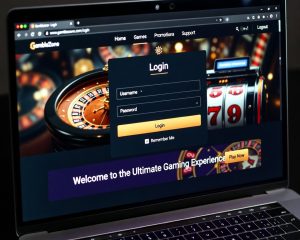 Online gambling platforms face fierce competition. Research shows that a cumbersome login process can drive users away within seconds. Every click matters, and the first interaction a player has with a platform can set the tone for their entire experience.
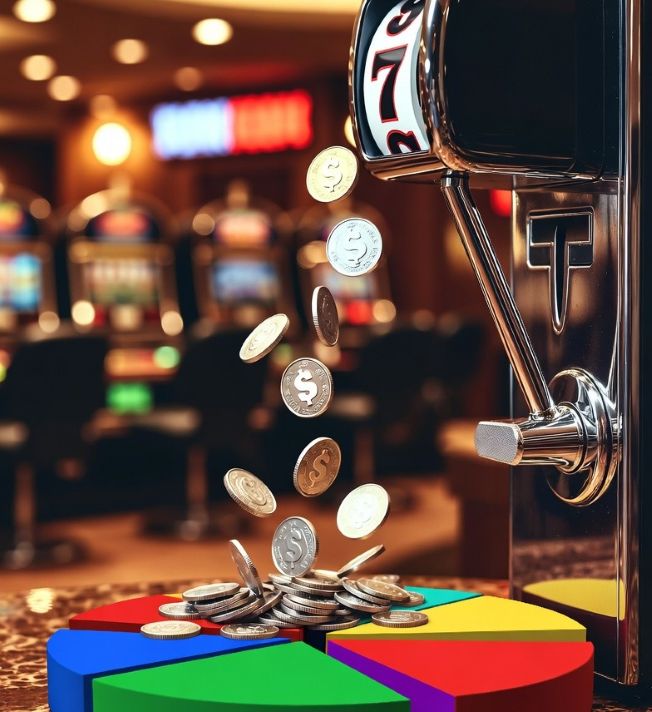
 Walk through any casino, and you’ll notice that slot machines dominate the floor. Bright colors, flashing lights, catchy jingles—they’re impossible to ignore. Even as online gambling grows, the same tricks are used on your screen. Many players are drawn in by promotions encouraging them to join 55five online, but the psychology behind slot design goes much deeper. Every sound effect, color palette, and animation is crafted to keep you spinning. Understanding these choices helps explain why slot machines remain one of the
 Kenya’s betting industry thrives on the promise of life-changing wins. The SportPesa Mega Jackpot, often exceeding KSH 411 million, stands as a beacon of hope for millions. These massive payouts don’t just transform individual lives; they reshape the economic landscape of the gambling sector. From job creation to consumer spending shifts, the ripple effects are profound. But what does this mean for Kenya’s economy, and how do platforms like SportPesa and affiliate sites fuel this frenzy?
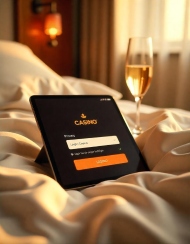 Just open your chosen browser—Chrome, Safari, etc.—then type the Bets10 website address. The website dynamically changes to fit your device and provides instant play free from downloads.
 Korean online casinos have seen rapid growth over the past few years. The rise of digital gambling in South Korea has caught the attention of players worldwide. As Korean gaming businesses gain popularity, they focus on expanding beyond their home turf. By offering tailored experiences and leveraging innovative strategies, these companies are significantly impacting the international market.
 Bitcoin has reshaped numerous industries, and gambling is no exception. Bitcoin slots are emerging as a revolutionary force, transforming how players engage with slot games and how operators run their businesses. With cryptocurrency becoming increasingly popular, the gambling industry has embraced this digital currency for its unique benefits, from enhanced security to faster transactions.

 The vibrant world of slot games has been a cornerstone of casinos for decades. Their simplicity, combined with the thrill of potential big wins, makes them a favorite among gamblers. Among